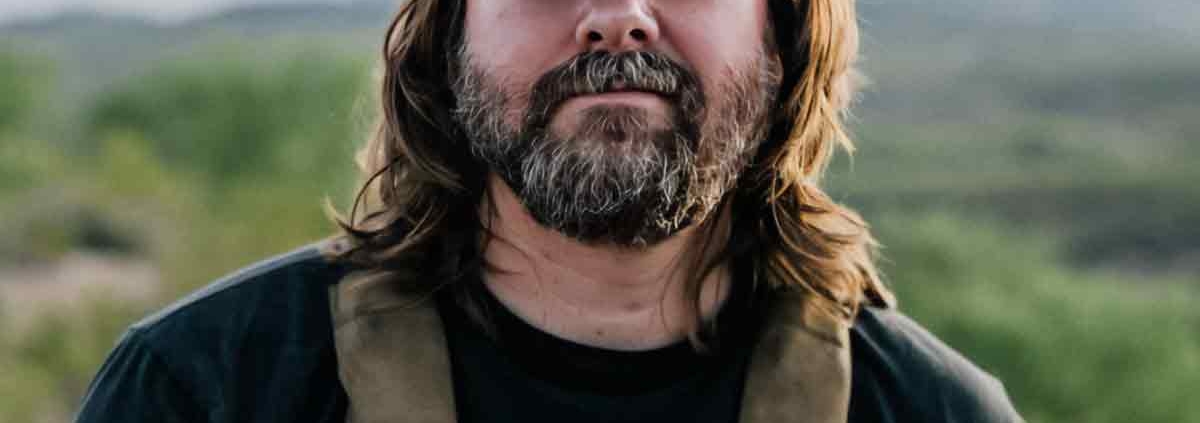
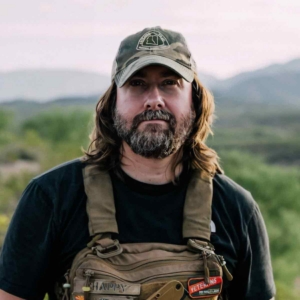
Michael “Chappy” Chappell is a U.S. Navy veteran, outdoor leader, and conservation advocate whose life’s work bridges military service and wilderness stewardship. After serving in the Navy during Operation Iraqi Freedom, Chappy found his own path to healing through nature. To translate his military foundation into professional field leadership, he studied Outdoor Education and Conservation at the National Outdoor Leadership School (NOLS), laying the groundwork for a career centered on wilderness instruction, team camaraderie, and service.
Drawing on over two decades of experience across military service, field instruction, and search and rescue, Chappy developed the philosophy of “Mission Therapy.” Built on the conviction that veterans do not need to be fixed but rather given a new mission, this approach uses shared hardship, outdoor leadership, and land stewardship to help service members regain purpose. His early leadership in the outdoors included serving as an Outdoor School Instructor and Outreach Specialist with REI Co-op in Tucson, alongside active involvement with the Southern Arizona Rescue Association (SARA) and Team Rubicon.
Today, Chappy applies this approach as Director of Veteran Engagement and Trail Stewardship (VETS) for the Arizona Trail Association. In this role, he leads statewide backcountry initiatives across the 800+ mile Arizona National Scenic Trail, commanding programs such as the Fox Squad trail crews, Veteran Volunteer Work Weekends, and the Operation Freedom March campaign. Under his direction, the VETS program has connected over 500 veterans and their families to hands-on service, contributing more than 7,500 volunteer hours and improving over 175 miles of public trail.
In addition to his direct field leadership, Chappy shapes broader conservation and veteran advocacy as Senior Advisor for Arizona with Veterans for Public Lands and as a board member for Friends of Ironwood Forest and Soldier’s Best Friend. Based in Corona de Tucson, Arizona, he collaborates with federal and state land managers, Tribal Nations, and community partners to build scalable models that empower veterans through continued service to the nation’s public lands.