Who we are
We harness the credibility, experience, and trusted voices of veterans and military families to protect America’s public lands, continuing a tradition of service by defending the places that belong to all of us.
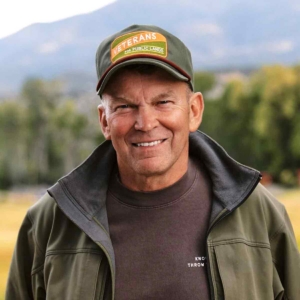
Jeff Buchanan
Arizona
Lieutenant General, U.S. Army (Ret.)
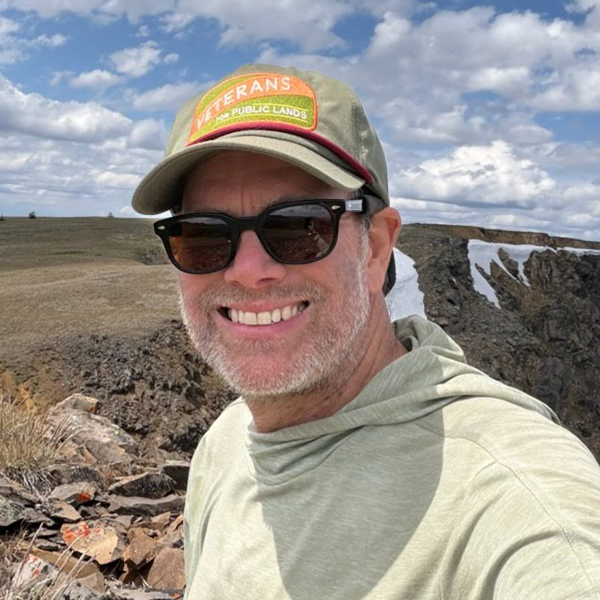
Gregg Bafundo
Washington
U.S. Marine Corps Veteran
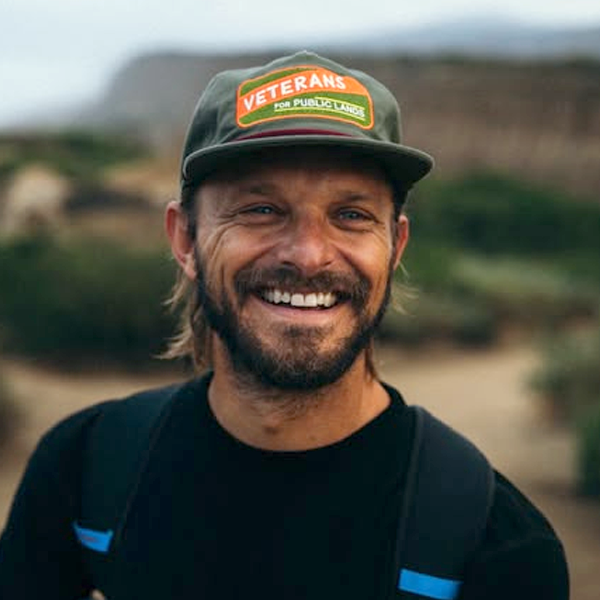
Nick Borrelli
California
U.S. Marine Corps Veteran
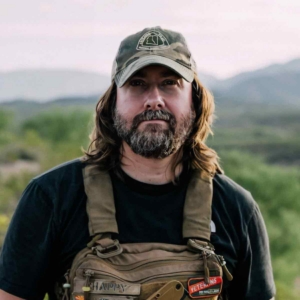
Michael “Chappy” Chappell
Arizona
U.S. Navy Veteran
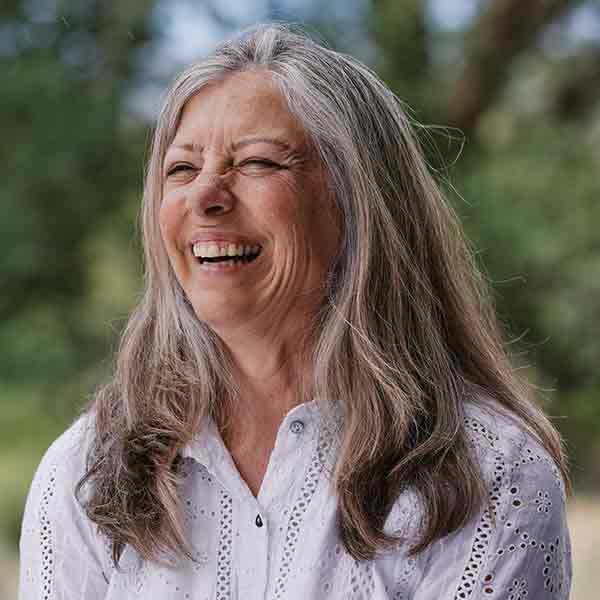
Patty Collins
Virginia
U.S. Army Veteran
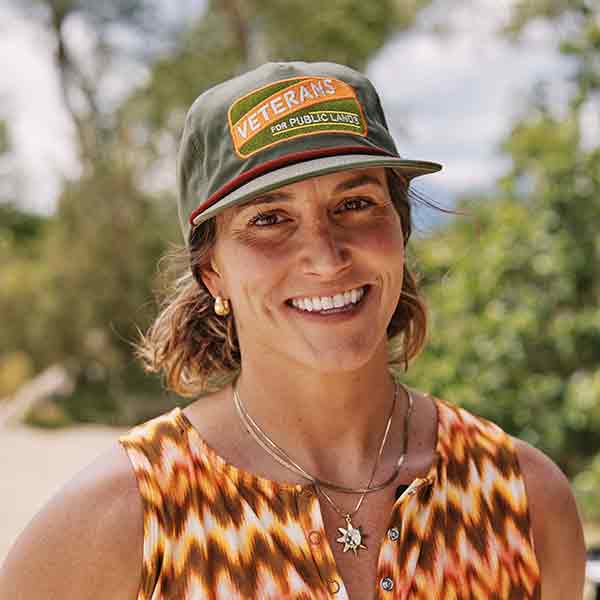
Taylor Galadyk
Florida
U.S. Marine Corps Veteran
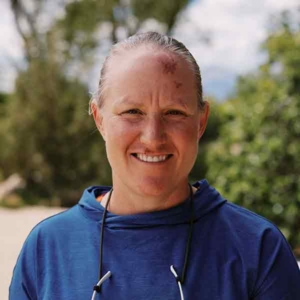
Jaimie Lusk
Oregon
U.S. Marine Corps Veteran
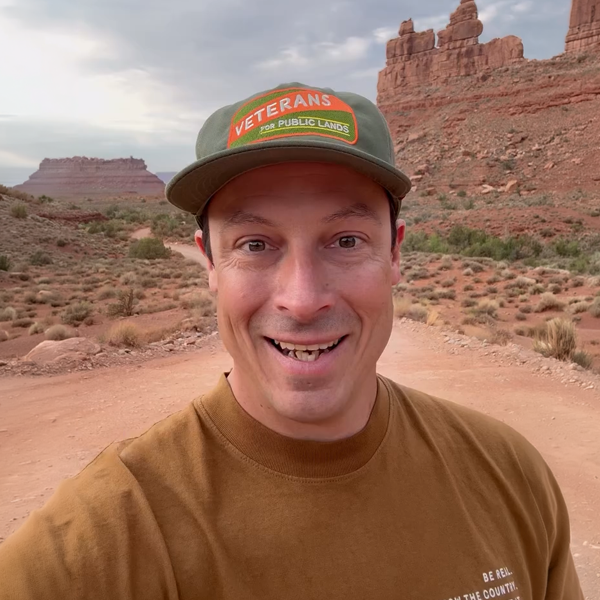
Brad Noone
Colorado
U.S. Army Veteran
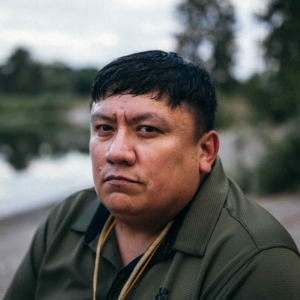
Jonas Rides At The Door
Montana
U.S. Marine Corps Veteran
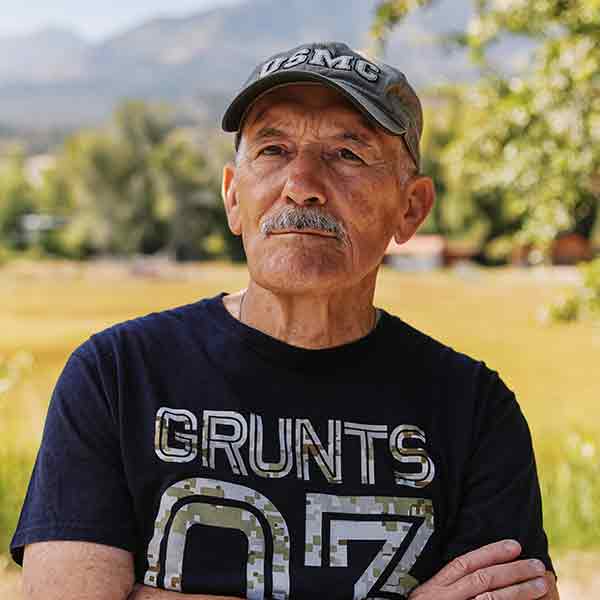
Paul Wilson
Colorado
U.S. Marine Corps Veteran
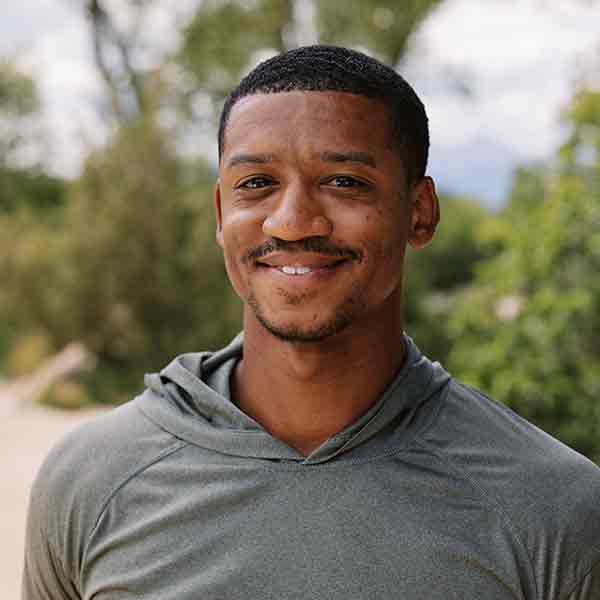
DJ Wright
Georgia
U.S. Army Veteran
Get Involved
For generations, veterans have helped protect America’s public lands.
From exploring and mapping the West to serving as park rangers, conservation leaders, and advocates for our national parks, forests, deserts, and coastlines, many of us have continued serving our country long after we took off the uniform. For Native veterans—who serve in the U.S. military at some of the highest rates of any community in America—these lands often carry an even deeper significance, connecting generations through culture, history, and sacred traditions. We know these places are part of our national heritage. They belong to all of us, and they are worth preserving.
Today, that tradition continues. Our public lands do not stay protected on their own. As these places face growing threats, we have a responsibility to show up once again in service to something larger than ourselves. At a time when trust across the board is declining, veterans remain among the most trusted voices in America. That trust carries both credibility and responsibility.
Veterans for Public Lands (VFPL) brings veterans together to put that trust to work—speaking up for the places we love, helping our communities understand what is at stake, and ensuring that America’s public lands remain protected, accessible, and enduring for future generations.
Events
Connect with fellow veterans who share a commitment to service, adventure, and stewardship.
Veterans in Outdoor Recreation Summit – Park City, UT – October 2026
The Veterans Outdoor Recreation Summit (VORS) is a premier gathering designed to unite leaders, practitioners, and advocates dedicated to advancing veteran well being through outdoor recreation. The summit creates a dynamic environment for learning, collaboration, and action; equipping attendees with the tools, insights, and partnerships needed to expand impact within the veteran community.
VORS brings together a diverse cross-sector audience, including veteran serving nonprofit leaders, outdoor industry professionals, land managers, policymakers, researchers, healthcare providers, and community builders. This intentional mix fosters meaningful dialogue and shared problem solving around some of the most pressing challenges and opportunities at the intersection of veterans, health and wellness, and the outdoors.
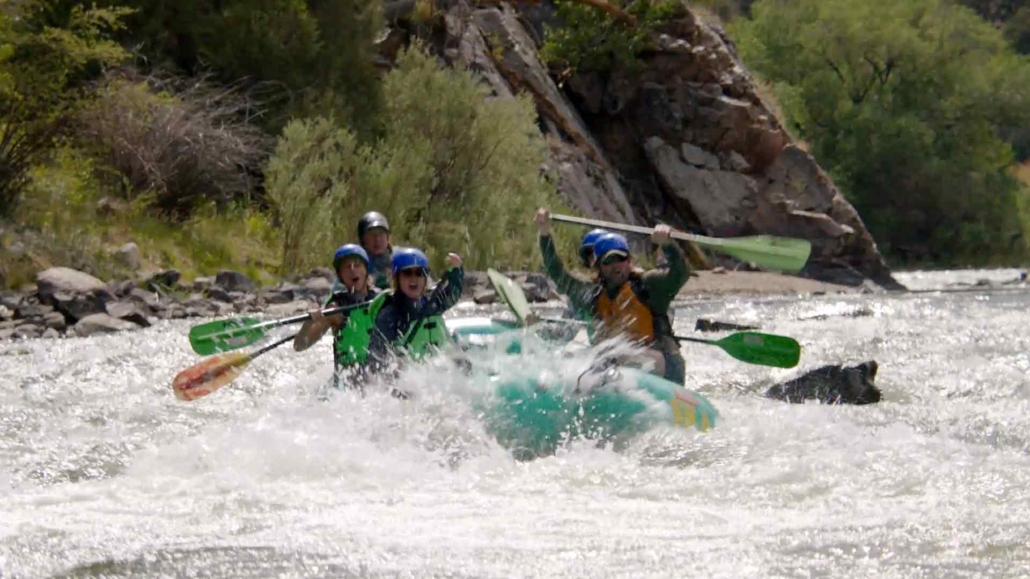
Whitewater Rafting – Brown’s Canyon, CO – July 2026
Twenty-two veterans came together at Browns Canyon National Monument for whitewater rafting, connection, and training to become stronger advocates for public lands. On the river and off, we shared our stories and explored how our service can help protect the places that belong to all of us. The trip marked the beginning of Veterans for Public Lands’ next chapter, building a community ready to speak up and serve.
Our Heritage
The story of veterans defending public lands did not begin with our organization. It stretches back more than a century.
Before he was president, Theodore Roosevelt served as a cavalry officer, hunted and ranched in the Dakotas, and developed a deep appreciation for the American landscape. As president, he protected roughly 230 million acres of public land—national forests, wildlife refuges, monuments, and parks. He did not see conservation as separate from patriotism. He saw both as forms of national service.
Long before the National Park Service existed, veterans were helping care for America’s most treasured places.
Connect With Us

@ veteransforpubliclands . Oct 9
Public Lands News: Congress passed bipartisan legislation, led by @repjuanciscomani, @senmarkkelly and @senrubengallego, to redesignate Chiricahua National Monument as a national park, bringing Chiricahua one step closer to becoming Arizona’s fourth national park. If signed into law, the designation would maintain the monument’s existing boundaries, while protecting access for traditional Tribal use and requiring Tribal consultation. The bill now awaits the President’s signature.


@ veteransforpubliclands . Oct 8
As officials consider giving part of Yosemite to a private developer, it’s as important as ever that we speak out to preserve America’s public lands for future generations. After serving in the U.S. Army and the National Park Service, with extensive experience in Yosemite National Park, JT Reynolds has spent much of his life defending the lands that he served to protect. Read about his multi-decades long experience with NPS and how America’s public lands have shaped his life, in his recent article, “Yosemite National Park Deserves Better,” live on our Substack now via link in bio.

@ veteransforpubliclands . Oct 7
For the next 5 months, Cadillac Mountain in Acadia National Park is the first place in the continental United States to see the sunrise. It serves as one of the most famous sunrise experiences in the United States, standing as the highest peak on the U.S. eastern seaboard at 1,530 feet above Mount Desert Island, Maine.
Known historically as Wapawuok, meaning the white mountain of the first light, Cadillac Mountain holds deep cultural meaning for Wabanaki Nation, who are known as the “People of the Dawn.”
#maine #acadianationalpark #veteransforpubliclands

[email protected] | P.O. Box 11559, Portland, OR 97211 | (202) 670-3602