Gregg
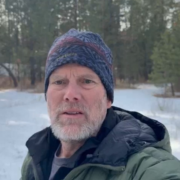
Gregg Bafundo
Marine Corps Veteran
Washington
Nick
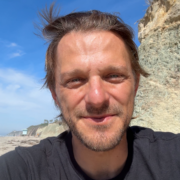
Nick Borrelli
Marine Corps Veteran
California
Brad
Brad Noone
US Army Veteran
Colorado
Gregg
Gregg Bafundo
Marine Corps Veteran
Washington
Nick
Nick Borrelli
Marine Corps Veteran
California
Brad
Brad Noone
US Army Veteran
Colorado
Get Involved
For generations, veterans have helped protect America’s public lands.
From exploring and mapping the West to serving as park rangers, conservation leaders, and advocates for our national parks, forests, deserts, and coastlines, many of us have continued serving our country long after we took off the uniform. For Native veterans—who serve in the U.S. military at some of the highest rates of any community in America—these lands often carry an even deeper significance, connecting generations through culture, history, and sacred traditions. We know these places are part of our national heritage. They belong to all of us, and they are worth preserving.
Today, that tradition continues. Our public lands do not stay protected on their own. As these places face growing threats, we have a responsibility to show up once again in service to something larger than ourselves. At a time when trust across the board is declining, veterans remain among the most trusted voices in America. That trust carries both credibility and responsibility.
Veterans for Public Lands (VFPL) brings veterans together to put that trust to work—speaking up for the places we love, helping our communities understand what is at stake, and ensuring that America’s public lands remain protected, accessible, and enduring for future generations.
Events
Connect with fellow veterans who share a commitment to service, adventure, and stewardship.
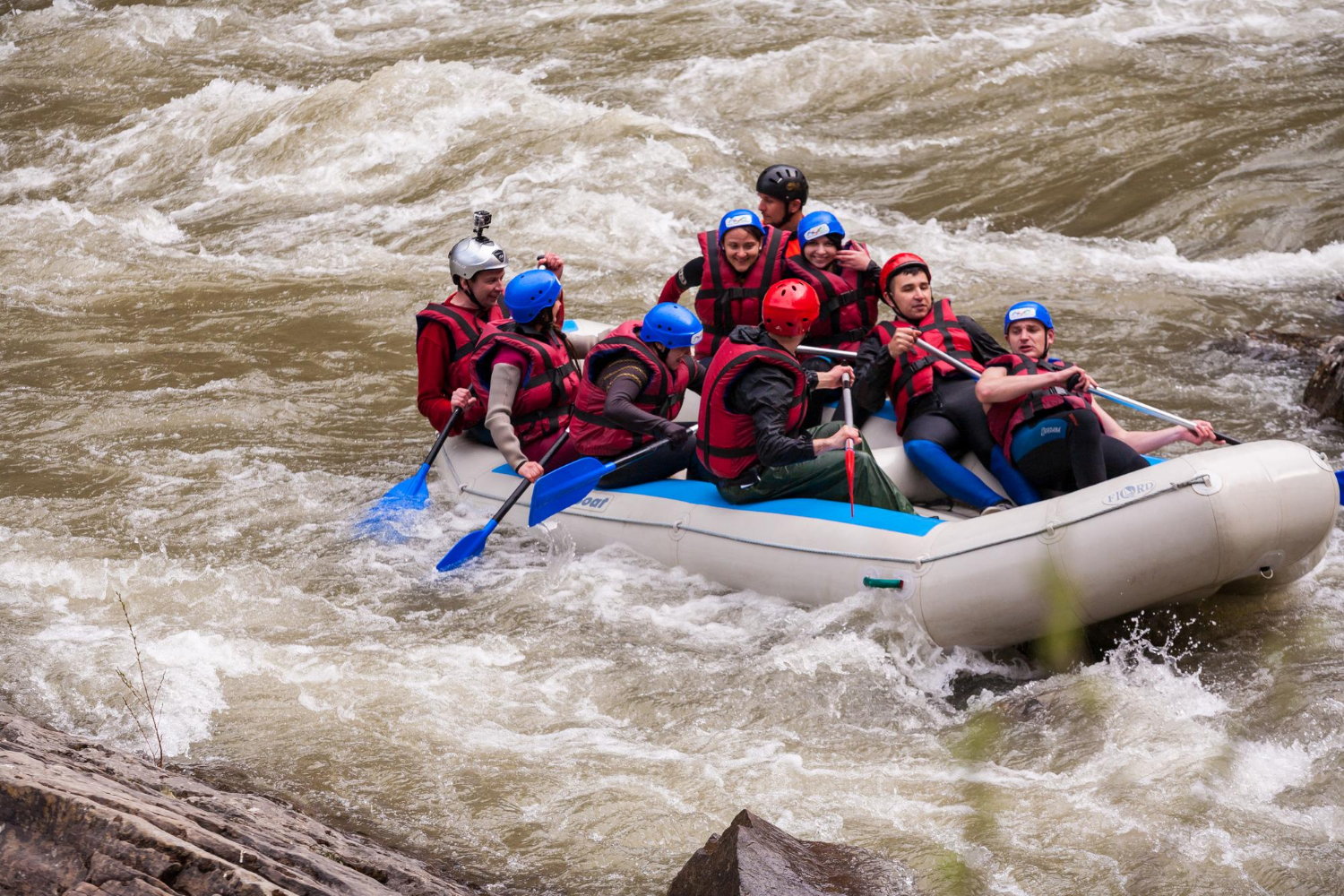
Browns Canyon National Monument
July 9-11, 2026
Veterans for Public Lands whitewater rafting launch event. It is the beginning of a community of veterans who believe that service to our country doesn’t end when we take off the uniform. It simply takes a new form.
Over three days, we’ll explore one of America’s most spectacular public landscapes, build lasting relationships with fellow veterans from across the country, and lay the foundation for a growing movement dedicated to protecting the public lands that belong to all Americans.
Our Heritage
The story of veterans defending public lands did not begin with our organization. It stretches back more than a century.
Before he was president, Theodore Roosevelt served as a cavalry officer, hunted and ranched in the Dakotas, and developed a deep appreciation for the American landscape. As president, he protected roughly 230 million acres of public land—national forests, wildlife refuges, monuments, and parks. He did not see conservation as separate from patriotism. He saw both as forms of national service.
Long before the National Park Service existed, veterans were helping care for America’s most treasured places.